Behavioral Trading By Woody Dorsey – Digital Download!
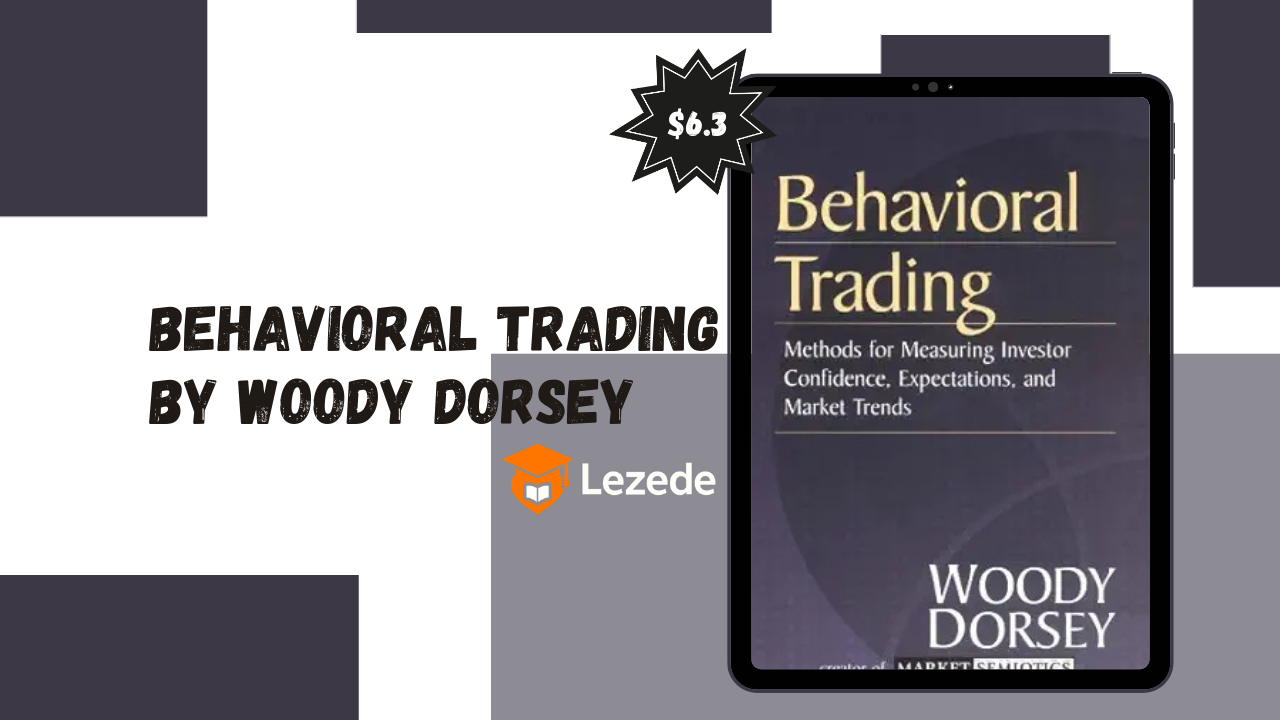
Introduction to “Behavioral Trading” by Woody Dorsey
Markets are not just numbers and charts; they are living reflections of human behavior. Every price tick, rally, and crash is shaped by the hopes, fears, and biases of millions of participants. Traditional technical and fundamental analysis attempt to measure value or price patterns, but they often overlook the most powerful market driver of all: crowd psychology.
Woody Dorsey’s Behavioral Trading course places psychology and sentiment at the center of market analysis. Rather than treating emotion as noise, Dorsey shows how understanding behavior can give traders a decisive edge. This program teaches you how to read crowd mood, identify turning points, and align your decisions with the underlying emotional currents that move markets.
Why Behavioral Trading Matters
Most traders know the pain of chasing a breakout too late or selling at the bottom of a panic. These mistakes rarely happen because of poor chart reading—they happen because of behavioral biases. Fear, greed, overconfidence, and herd mentality influence even seasoned professionals.
Behavioral trading acknowledges this reality and builds it into your strategy. By tracking sentiment and crowd behavior, you can anticipate when consensus is stretched, when a trend may reverse, or when conviction is weak. In volatile markets where news spreads instantly and social media amplifies emotions, these insights are more valuable than ever.
About Woody Dorsey
Woody Dorsey is a pioneer in behavioral finance and market sentiment analysis. For decades he has published research on investor psychology and its impact on market trends, blending behavioral science with actionable trading insights. His work has been featured in leading financial publications and used by institutional and individual traders alike.
In Behavioral Trading, Dorsey distills his approach into a structured learning experience. Students gain not only theoretical knowledge but also practical tools for integrating behavioral insights into their own trading systems.
Inside the Course
Although lesson names may vary, the Behavioral Trading curriculum typically covers:
-
Foundations of Behavioral Finance: The cognitive biases and emotional factors that drive investor decisions.
-
Crowd Psychology: How collective sentiment forms, peaks, and reverses.
-
Sentiment Indicators: Tools and data sources for measuring market mood, including surveys, options data, and media analysis.
-
Behavioral Patterns on Charts: Recognizing price structures that reflect psychological extremes.
-
Timing Market Turns: Using behavioral cues to spot tops, bottoms, and inflection points.
-
Integrating Behavior with Technical and Fundamental Analysis: Building a comprehensive, multi-factor approach.
-
Developing Your Own Behavioral Edge: Creating customized sentiment models and trading rules.
This progression takes you from understanding the theory of behavioral finance to applying it practically in your daily market decisions.
Moving Beyond Traditional Analysis
Technical indicators and fundamental metrics tell you what is happening—price levels, earnings, economic data. Behavioral trading tells you why it’s happening and when it may change. For example, a stock may show strong fundamentals, but if sentiment is overly euphoric, it may be due for a pullback. Conversely, a beaten-down sector with extremely negative sentiment may be poised for a rebound.
Learning to read these emotional extremes can help you avoid crowded trades, manage risk more intelligently, and uncover contrarian opportunities others miss.
Tools and Techniques You’ll Learn
Behavioral Trading equips you with a toolkit of methods for measuring and interpreting market mood:
-
Sentiment Surveys: How to use investor and trader surveys as contrarian indicators.
-
Options and Futures Data: Understanding put-call ratios, open interest, and commitment-of-traders reports for behavioral clues.
-
Media and Social Analysis: Tracking how news flow and online chatter reflect or shape investor psychology.
-
Price-Based Signals: Identifying exhaustion gaps, blow-off tops, and capitulation lows that mark behavioral extremes.
-
Composite Models: Combining multiple indicators into a single behavioral dashboard for decision support.
Dorsey shows you how to interpret each signal, avoid false positives, and integrate them into your risk management process.
Who This Course Is For
Behavioral Trading is valuable for a wide range of participants:
-
Active traders who want to time entries and exits with greater precision.
-
Investors seeking to understand when to be contrarian and when to go with the crowd.
-
Portfolio managers looking to complement traditional analysis with behavioral insights.
-
New traders eager to avoid common psychological pitfalls and develop discipline early.
No advanced math or statistics is required. The focus is on practical interpretation and application.
Benefits and Outcomes
By completing Behavioral Trading, you’ll be able to:
-
Recognize the behavioral biases that affect your own decisions.
-
Interpret sentiment data and crowd psychology signals.
-
Integrate behavioral analysis with your existing technical or fundamental methods.
-
Identify market conditions where risk and opportunity are asymmetrical due to sentiment extremes.
-
Develop a disciplined, contrarian mindset that improves consistency.
These skills not only enhance your edge but also help you avoid the emotional roller coaster that derails many traders.
Woody Dorsey’s Teaching Style
Dorsey combines deep research with real-world experience. His teaching style is clear, direct, and focused on actionable insights. Instead of abstract theories, he uses historical examples, case studies, and live market data to illustrate how behavioral forces unfold in real time.
He also emphasizes self-awareness. Understanding crowd psychology is only half the battle; recognizing your own biases and triggers is equally crucial. The course includes exercises and frameworks for improving your personal trading discipline alongside your analytical skills.
Building Your Behavioral Edge
Markets evolve, but human nature remains remarkably consistent. Booms and busts, fear and greed, overreaction and complacency—all repeat across timeframes and asset classes. By learning to identify these patterns, you develop an enduring edge that does not depend on any single indicator or strategy.
Behavioral Trading helps you build this edge systematically. Rather than guessing when a rally is over or a dip is safe to buy, you’ll have a structured way to evaluate sentiment and act accordingly.
Conclusion
Woody Dorsey’s Behavioral Trading course offers a unique perspective on markets. By putting psychology and sentiment at the forefront, it teaches you to see beyond price charts and earnings reports to the human behavior that drives them.
In a landscape crowded with technical indicators and algorithmic signals, behavioral analysis remains a timeless skill. It can help you sidestep bubbles, buy when others are fearful, and sell when others are euphoric. More importantly, it can help you manage your own emotions—one of the most powerful determinants of long-term trading success.
Whether you’re a seasoned trader looking for a new edge or a beginner eager to build a strong foundation, Behavioral Trading provides the knowledge and tools to understand, anticipate, and align with market psychology. In doing so, it helps you become not just a better analyst but a more disciplined and confident market participant.
If you’re ready to look beyond the charts and tap into the behavioral currents shaping every trade, Behavioral Trading by Woody Dorsey is your guide.