Introduction to TradeStation Coding Free Download – Includes Verified Content:
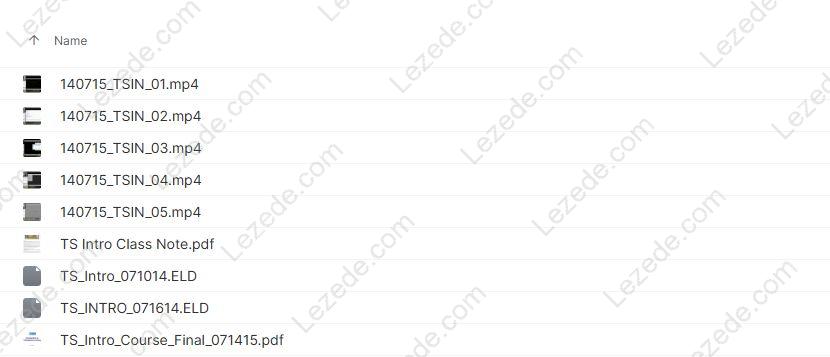
Introduction to TradeStation Coding: A Comprehensive Review
TradeStation stands as one of the premier platforms for traders and investors, offering tools to manage portfolios, analyze financial markets, and execute trades efficiently. What makes it unique is the flexibility it provides—users can design custom trading strategies and automate execution with its proprietary programming language, EasyLanguage.
This review dives into the fundamentals of EasyLanguage—its structure, core features, and role within the TradeStation environment. By the end, you will gain a clearer picture of how TradeStation coding works and how it can elevate your trading performance.
Understanding EasyLanguage
EasyLanguage was developed exclusively for TradeStation, enabling traders to convert their trading concepts into commands written in plain, near-English syntax. Compared to traditional programming languages such as Python or C++, it is far more approachable, making it accessible to both beginners and advanced users. This simplicity is a major reason why TradeStation is highly regarded for building automated strategies.
Ease of Learning
A standout feature of EasyLanguage is how intuitive it feels. Unlike programming languages that require deep knowledge of algorithms or data structures, EasyLanguage allows you to define trading rules with straightforward statements. For traders who aren’t tech-savvy, this dramatically lowers the entry barrier, making automation much easier to adopt.
Example of EasyLanguage Syntax
Here’s a simple example:
if marketposition = 0 and close > movingaverage(close, 50) then buy next bar at market;
This command instructs the system to open a buy position when no trades are active and the close is above the 50-period moving average. The clarity of this syntax shows how complex strategies can be expressed simply.
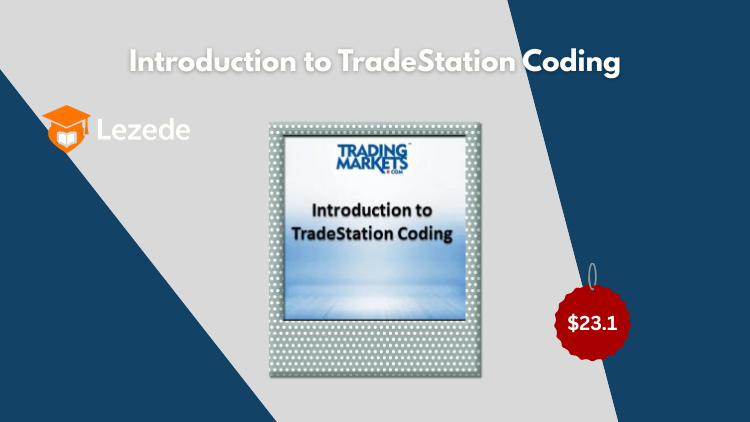
Structure and Features of EasyLanguage
Syntax Overview: Its syntax mirrors natural language, which makes coding less intimidating and more practical for traders.
Data Access: EasyLanguage allows access to essential trading data, including open, high, low, close prices, and volume, letting users test and refine strategies with real or historical data.
Built-in Tools: It comes packed with pre-built indicators like RSI and moving averages, saving time while boosting efficiency in technical analysis.
Conditionals and Loops: More complex strategies can be built using “if-else” statements and loops, enabling adaptability across different market scenarios.
Developing Strategies in TradeStation
The core of TradeStation is turning trading ideas into fully automated systems. Developers can program strategies to respond to market conditions in real time, removing emotional bias from decision-making and ensuring consistency.
Monitoring Conditions: With predefined rules, EasyLanguage systems can react instantly—for example, selling when prices drop below a threshold to protect capital.
Backtesting & Optimization: TradeStation’s backtesting tools let users test strategies against historical data and fine-tune parameters before using them in live markets.
Integration with Tools: The platform also supports integration with external data sources, news feeds, and third-party indicators, expanding possibilities for traders seeking advanced customization.
Real-Time Data and External Integration
Real-time market data is critical, and EasyLanguage seamlessly incorporates it into strategies. Beyond that, third-party applications can be connected to enhance strategies further—combining economic data, sentiment indicators, or custom analytics with trading logic.
Conclusion
In essence, EasyLanguage provides a practical gateway for traders to design, test, and automate strategies inside TradeStation. Its approachable syntax, built-in indicators, backtesting capabilities, and ability to integrate with external tools make it an invaluable asset for traders who want to balance simplicity with power. By learning EasyLanguage, traders can create strategies aligned with their unique style and goals—maximizing opportunities in today’s fast-moving markets.